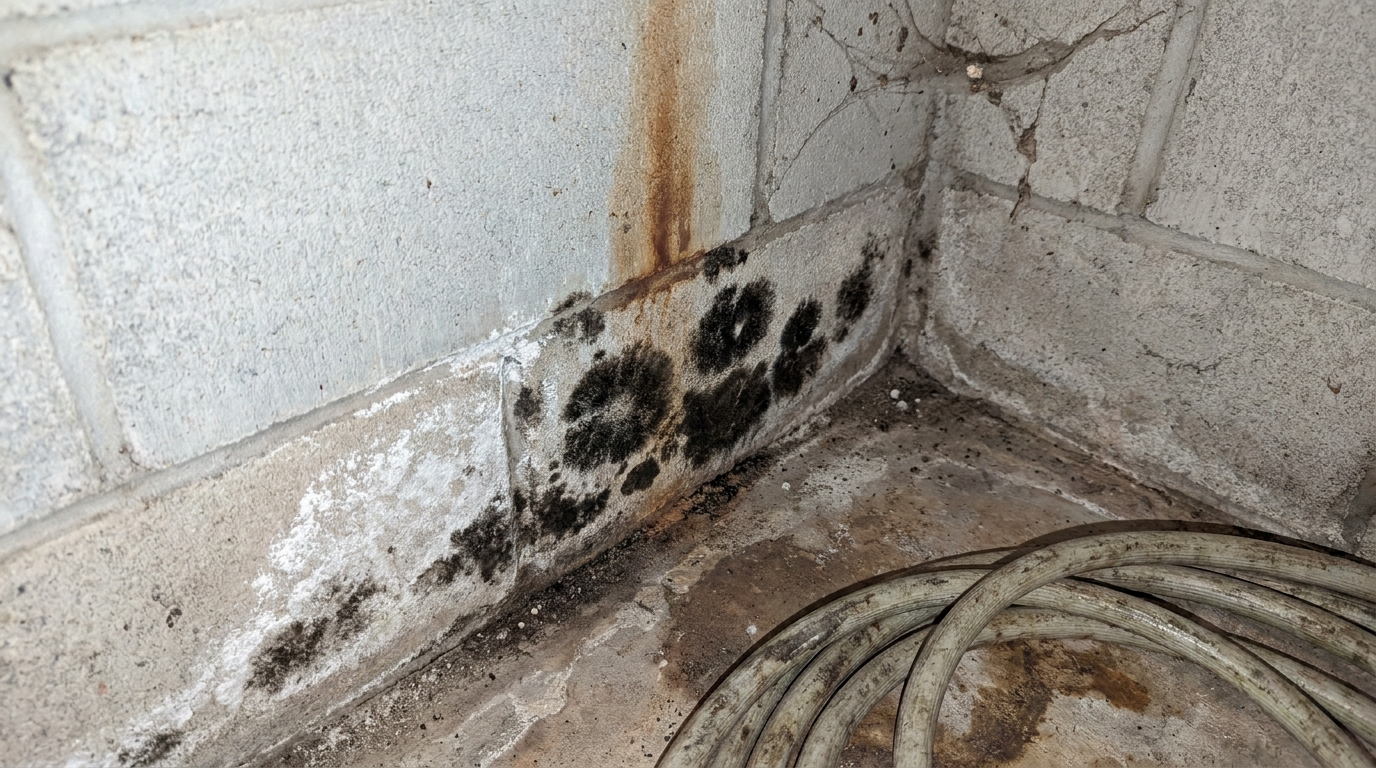
A Linkhorn inspection refers to a professional property evaluation in the Linkhorn area of Virginia Beach, Virginia, where homes face elevated mold risk due to coastal humidity, proximity to Linkhorn Bay, and aging housing stock. Whether you are buying a home, selling one, or simply want to understand the condition of your property, knowing what a Linkhorn inspection covers and how mold fits into the picture can save you thousands of dollars and protect your family’s health.
Homes near tidal waterways and the Chesapeake Bay watershed sit in a climate where relative humidity regularly exceeds the thresholds that encourage mold growth. That makes a thorough property inspection here different from one in a drier inland region. This guide walks through what the inspection process involves, what mold warning signs to watch for, and when to bring in a specialist.
What Is a Linkhorn Inspection?
A Linkhorn inspection is a professional, non-invasive evaluation of a property’s visible and accessible systems, typically performed during a real estate transaction or as part of routine homeowner maintenance. The inspector examines major components like the roof, foundation, structure, electrical, plumbing, and HVAC, then documents defects, safety concerns, and maintenance items in a written report.
Standard home inspections follow nationally recognized protocols. Organizations like the American Society of Home Inspectors (ASHI) and the International Association of Certified Home Inspectors (InterNACHI) define the scope as a visual, non-destructive examination of accessible systems and components. The inspector does not open walls, move heavy furniture, or perform destructive testing.
One common misconception: a home inspection is not a pass/fail test, and it is not a municipal code compliance check. It is an information-gathering service designed to help buyers, sellers, and owners understand a property’s current condition.
For properties in the Linkhorn area, the coastal environment adds layers of concern that a standard inspection should flag. Inspectors may note signs of moisture intrusion, condensation patterns, or ventilation deficiencies that are especially common in homes near tidal water. These findings often point toward conditions that support mold growth, even when mold itself is not yet visible.
Ancillary services like radon testing, wood-destroying insect inspections, and dedicated mold assessments can be added to a standard inspection. If you want to check for mold specifically, ask your inspector whether mold evaluation is included or available as an add-on.
What Causes Mold Problems in Linkhorn-Area Homes?
Moisture intrusion combined with poor ventilation is the primary driver of mold growth in homes near Linkhorn Bay. The coastal climate, older building materials, and proximity to water create a persistent moisture load that many homes struggle to manage.
According to the U.S. Environmental Protection Agency (EPA), indoor humidity should stay below 60% and ideally between 30% and 50% to inhibit mold growth. Virginia Beach regularly sees outdoor humidity levels well above 70% during summer months, which means homes without adequate air conditioning or dehumidification can easily exceed that 60% threshold indoors.
Understanding what mold needs to grow helps explain why certain homes are more vulnerable than others. Mold requires moisture, an organic food source, and temperatures roughly between 18°C and 32°C. Homes near Linkhorn Bay check all three boxes for much of the year.
Common moisture sources in the area include:
- Roof and flashing leaks from storm damage or aging materials
- Foundation seepage driven by a high water table near tidal zones
- Condensation on windows, cold walls, and uninsulated ductwork
- Plumbing leaks hidden behind walls or under sinks
- Bathroom and kitchen humidity from inadequate exhaust ventilation
- Crawl space moisture from ground vapor in poorly encapsulated spaces
According to the EPA’s “Brief Guide to Mold, Moisture, and Your Home”, wet materials must be dried within 24 to 48 hours to prevent mold colonization. In a humid coastal environment, that window can feel even shorter because ambient moisture slows the drying process.
A common misconception is that mold only grows in old or dirty homes. The real driver is moisture. Even a well-maintained newer home can develop mold after a single undetected plumbing leak or a poorly vented bathroom fan.
What Signs of Mold Should You Look for During an Inspection?
Visible mold growth, musty odors, and evidence of water damage are the three most reliable indicators of a mold problem during any property inspection.
The World Health Organization (WHO) reports that indoor dampness and mold are present in 10% to 50% of modern homes and buildings worldwide, according to their Guidelines for Indoor Air Quality: Dampness and Mould. Many of those cases involve hidden mold that occupants never see.
Here is what to watch for during a walkthrough:
| Sign | Where to Look | What It Suggests |
|---|---|---|
| Fuzzy or slimy patches (any color) | Walls, ceilings, window frames, baseboards | Active mold growth |
| Persistent musty or earthy smell | Basements, crawl spaces, closets, HVAC closets | Hidden mold behind surfaces |
| Water stains or discoloration | Ceilings below bathrooms, around windows, basement walls | Past or ongoing moisture intrusion |
| Peeling or bubbling paint | Bathroom walls, exterior-facing walls | Moisture trapped behind the surface |
| White crystalline deposits (efflorescence) | Concrete or masonry basement walls | Chronic moisture migration through foundation |
| Condensation on windows or pipes | Single-pane windows, cold water pipes, uninsulated ducts | High indoor humidity or insulation gaps |
| Rust or slime in HVAC drip pans | Air handler units, supply registers | Moisture in the HVAC system supporting microbial growth |
The EPA states that if you see mold, you generally do not need testing before taking action. The priority is removing the mold and fixing the moisture source. However, for real estate transactions, testing can provide documentation that both parties find useful.
If you suspect hidden contamination, learning how to detect mold you cannot see becomes critical. Musty odors without any visible growth often indicate mold behind drywall, under flooring, or inside wall cavities. A professional inspector with moisture meters and thermal imaging tools can pinpoint these hidden problem areas.
Are There Health Risks Associated With Mold Found During an Inspection?
Mold found during an inspection can pose health risks, particularly for people with asthma, allergies, or compromised immune systems. The severity depends on the type of mold, the extent of exposure, and individual sensitivity.
According to the EPA, molds produce allergens, irritants, and in some cases mycotoxins. Allergic reactions to mold are common and can include sneezing, runny nose, red eyes, and skin rash. The EPA also notes that mold can trigger asthma attacks in people who are allergic to mold.
The National Institute of Environmental Health Sciences (NIEHS) reports that mold exposure can increase a person’s risk of developing asthma or worsen existing symptoms, especially in young children. Prolonged exposure has also been associated with cognitive symptoms and increased depression and anxiety.
Up to 10% of U.S. residents have a mold allergy, and roughly half of them show no obvious symptoms. That means someone living in a mold-affected home may not connect their chronic congestion or fatigue to the indoor environment.
A few important points about black mold specifically: the CDC clarifies that while some molds, including Stachybotrys chartarum, can produce mycotoxins, color does not determine toxicity. According to the CDC/NIOSH mold guidance, all indoor mold growth should be treated the same way: find the moisture source, fix it, and remove contaminated materials. There are no federal health-based exposure standards for indoor mold spores, so lab results cannot be compared against a “safe” number.
Anyone experiencing worsening respiratory symptoms, chronic sinus issues, or unexplained allergic reactions at home should consult a physician. A certified industrial hygienist can assess the indoor environment if health concerns persist.
How Can You Prevent Mold Before or After an Inspection?
Controlling moisture, maintaining proper ventilation, and responding quickly to water problems are the most effective ways to prevent mold growth in any home.
Before an inspection, homeowners can take several steps to reduce mold risk and avoid surprises in the report:
- Monitor humidity. Use a hygrometer to track indoor relative humidity. Keep it between 30% and 50%. In coastal Virginia Beach, a dehumidifier in the basement or crawl space is often essential.
- Run exhaust fans. Use bathroom fans during showers and for at least 20 to 30 minutes afterward. Make sure kitchen range hoods vent outdoors rather than recirculating air.
- Fix leaks promptly. Check under sinks, around toilets, and behind appliances like dishwashers and refrigerators. Even small drips create conditions for mold within days.
- Improve exterior drainage. Ensure the ground slopes away from the foundation. Clean gutters regularly and direct downspouts at least several feet from the house.
- Avoid storing cardboard on basement floors. Use plastic shelving to allow airflow and reduce contact with damp concrete.
After an inspection reveals moisture-related findings, treat every item as a priority repair. According to the EPA, fixing the source of moisture is the single most important step in mold prevention and remediation. If the inspection notes mold on drywall, porous materials with heavy contamination typically need removal and replacement rather than surface cleaning.
The IICRC S520 standard for professional mold remediation reinforces this approach: source control of moisture is the foundation of mold management. Porous building materials with visible mold growth are generally removed, while non-porous surfaces may be cleaned and treated.
For homeowners who have already completed remediation, our guide on what to do after a mold inspection outlines the follow-up steps to verify the problem has been resolved.
When Should You Hire a Professional Mold Inspector?
Homeowners should hire a professional mold inspector when they notice persistent musty odors, visible mold covering more than a few square feet, unexplained health symptoms that improve away from home, or when buying or selling a property with a history of water damage.
According to Angi, water damage that was not completely dried within 24 hours should be inspected for mold. The EPA uses 10 square feet as a practical threshold: mold areas smaller than that may be manageable for a homeowner, while larger areas generally call for professional assessment and remediation planning.
Here are the most common scenarios that warrant a professional:
- Musty smell with no visible source. Mold may be growing behind walls, under flooring, or inside HVAC systems.
- Recent flooding or water damage. Even if surfaces appear dry, hidden moisture can persist in wall cavities and subfloor materials.
- Real estate transactions. Buyers and sellers both benefit from an objective mold assessment, especially for homes near water.
- Health symptoms that track with time spent indoors. Worsening allergies, coughing, or asthma at home may point to a mold problem.
- Post-remediation verification. After mold removal, a clearance inspection confirms the work was done correctly.
A mold test kit from a hardware store can provide a starting point, but according to Moldman, DIY sampling can be misleading without professional interpretation. If the situation involves large areas, hidden contamination, or health concerns, a certified inspector is the safer choice.
Understanding mold remediation costs ahead of time can also help homeowners budget for potential next steps if an inspection reveals a significant problem. Whether homeowners insurance covers mold depends on the cause. Most policies cover mold from sudden, covered events like burst pipes but exclude mold from long-term neglect or flooding.
Taking the Next Step
Homes in the Linkhorn area of Virginia Beach face real, measurable mold risks tied to coastal humidity, tidal proximity, and aging building stock. A thorough property inspection that accounts for these local conditions is one of the smartest investments a homeowner or buyer can make.
If your inspection has already revealed mold or moisture problems, acting quickly matters. The EPA’s 24-to-48-hour drying window is not a suggestion; it is the difference between a minor repair and a major remediation project.
Need help finding a qualified mold professional in your area? Visit our contractor directory to connect with certified inspectors and remediation companies who can assess your property and recommend next steps based on your specific situation.
This article is for informational purposes only and does not constitute medical advice, professional inspection guidance, or an endorsement of any specific service provider. Consult a physician for health concerns related to mold exposure. Hire a certified mold inspector or industrial hygienist for property-specific assessments.