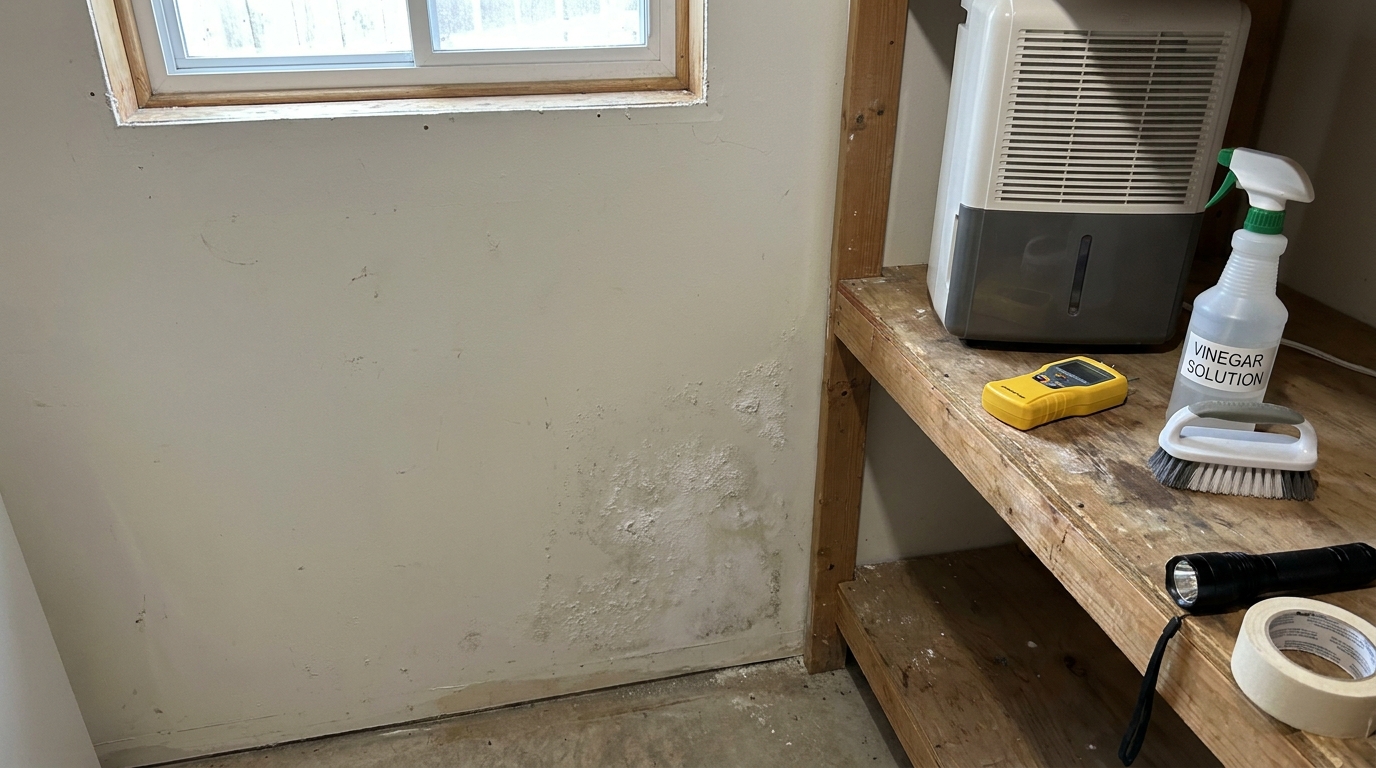
What Is White Mold on Painted Walls?
White mold on painted walls is typically a fungal growth triggered by moisture exposure, though white crystalline deposits called efflorescence are often misidentified as mold.
Spotting a white, fuzzy patch spreading across a painted wall is alarming. Before assuming the worst, homeowners should understand that not every white substance on a wall is mold. The distinction matters because the causes, health risks, and remedies differ dramatically between fungal growth and mineral deposits.
Common Species That Appear White
Several mold species can present as white or off-white colonies on interior walls. Aspergillus, Penicillium, and Cladosporium are among the genera most frequently found indoors, and all can appear white in early growth stages. According to Mold Busters, white mold grows best at temperatures between 2°C and 40°C (about 36°F to 104°F), which means typical indoor conditions fall squarely within its comfort zone. These fungi produce a fuzzy, cotton-like, or sometimes slimy texture that distinguishes them from non-biological deposits.
Why Painted Surfaces Are Vulnerable
Many homeowners assume paint seals a wall against mold. It doesn’t. According to Bestrijdingsdienst, mold feeds on materials found in the home, including wood, paint, plaster, wallpaper, and other organic material. The organic binders and additives in many paints can serve as a food source for mold. Even dust and dirt settling on a painted surface provide additional nutrients. When moisture penetrates or condenses behind the paint film, the wall becomes a buffet for fungal colonies.
The Efflorescence Confusion
Efflorescence is a crystalline white or grayish deposit of salts that forms when water moves through masonry and evaporates, leaving minerals on the surface. According to EngineerFix, efflorescence has a grainy, crystalline texture and typically appears on unpainted brick, concrete, stone, or plaster. It dissolves or smears when sprayed with water, while mold remains fuzzy and intact. Confusing the two leads homeowners to either spend money on mold remediation they don’t need or, worse, ignore actual fungal growth because they assume it’s harmless mineral buildup.
How Can You Tell If It’s Mold or Efflorescence?
Mold feels fuzzy or slimy and returns after wiping, while efflorescence is crystalline, dissolves in water, and doesn’t regrow. A simple water spray test confirms the difference.
The Vinegar Test
Spray the white substance with plain water. If it dissolves or smears away, it’s likely efflorescence. If it stays fuzzy and intact, it’s more likely mold. According to AOA Cleaning and Restoration, this water-spray method is a reliable first diagnostic. For further confirmation, dab white vinegar on the spot. Efflorescence, being a salt deposit, will fizz or dissolve on contact with the acid. Mold won’t react to vinegar in any visible way, though vinegar can kill it over time.
Texture and Appearance Differences
| Characteristic | White Mold | Efflorescence |
|---|---|---|
| Texture | Fuzzy, cotton-like, or slimy | Grainy, crystalline, powdery |
| Odor | Musty smell | No odor |
| Water reaction | Stays intact, may smear | Dissolves or washes away |
| Regrowth after cleaning | Returns if moisture persists | Returns only if water continues migrating through masonry |
| Typical surface | Painted drywall, wood, wallpaper | Brick, concrete, stone, plaster |
Location Patterns That Reveal the Cause
Where the white substance appears tells a story. Efflorescence almost always shows up on masonry surfaces, especially basement walls where groundwater migrates through concrete. White mold, by contrast, can colonize any painted surface with enough moisture, including bathroom ceilings, bedroom walls near exterior corners, and kitchen areas with poor ventilation. If the growth appears on drywall rather than masonry, mold is the far more likely culprit.
What Causes White Mold to Grow on Painted Walls?
White mold grows on painted walls when moisture from leaks, condensation, or high humidity penetrates paint layers, providing the damp conditions fungi need to colonize.
Moisture Sources Behind the Paint
According to Mold Busters, mold growth on walls is always caused by too much moisture, often combined with poor ventilation or insulation. Common culprits include rising damp from foundations, permeable or damaged exterior walls allowing rainwater penetration, roof or plumbing leaks inside wall cavities, and condensation on cold, poorly insulated surfaces. Walls are especially vulnerable because moisture can build up behind the paint film, hidden from view, for weeks before visible growth appears.
Why Certain Paints Are More Susceptible
According to a study published in ScienceDirect, different paints and wallpapers change the likelihood of mold growth on building substrates. Flat and matte finishes tend to hold more moisture on their surface than semi-gloss or gloss paints. The organic compounds in many standard paints serve as a food source for mold. Mold-resistant formulations contain antimicrobial additives, but they supplement moisture control rather than replace it.
Temperature and Ventilation Factors
According to Bestrijdingsdienst, white mold grows where there is a lot of moisture and little fresh air. Indoor humidity above 60% relative humidity creates favorable conditions. Bathrooms, kitchens, basements, and laundry rooms are prime spots because they generate moisture regularly. Poor air circulation creates pockets of stagnant, moist air that accelerate fungal colonization. If mold appears on every wall in a room, the problem is likely humidity-based rather than tied to a single leak.
Is White Mold on Walls Dangerous?
White mold can trigger allergic reactions and respiratory symptoms in sensitive individuals, though it’s generally less toxic than black mold. A professional assessment determines actual health risk.
Health Effects Documented in Research
According to Healthline, a 2017 study found mold in 100% of public buildings studied, with an average of approximately 14 mold instances per building. A 2012 review of 31 European countries found visible mold in about 1 in 6 homes. The EPA, citing a 2004 Institute of Medicine review, notes that indoor mold exposure is sufficiently evidenced to be associated with upper respiratory symptoms, cough and wheeze in healthy people, and worsened asthma symptoms in asthmatics.
Who Faces Elevated Risk
Children, elderly adults, people with asthma, and those with compromised immune systems face greater risk from mold exposure. Prolonged exposure in poorly ventilated rooms compounds the problem. Even individuals without pre-existing conditions may develop sensitivity over time if mold growth persists.
When to Consult a Physician
Anyone experiencing persistent coughing, sneezing, eye irritation, or breathing difficulty in rooms with visible mold should consult a physician. A doctor can evaluate whether symptoms are mold-related and recommend appropriate testing. A certified industrial hygienist can assess indoor air quality to determine spore concentrations.
Can You Remove White Mold from Painted Walls Yourself?
Small patches under 10 square feet can typically be removed with proper safety gear and cleaning solutions, but larger areas or recurring growth require professional remediation to address underlying moisture.
When DIY Removal Is Appropriate
The IICRC S520 professional standard uses 10 square feet as a general threshold. According to Ideal Response, contamination above this size typically requires professional remediation rather than DIY cleaning. If the affected area is smaller, the mold is on the surface only, and the drywall beneath feels firm, homeowners can handle removal themselves. For guidance on when to call a mold inspector, consider the scope of the problem and whether growth has recurred after previous cleaning.
Safety Equipment Required
-
N95 respirator mask (minimum)
-
Rubber or nitrile gloves
-
Safety goggles without ventilation holes
-
Old clothing that can be washed immediately or discarded
-
Plastic sheeting to isolate the work area from the rest of the home
Step-by-Step Removal Process
-
Ventilate the room by opening windows and running a fan directed outward.
-
Cover the floor beneath the affected area with plastic sheeting.
-
Spray the moldy area with your chosen cleaning solution (see next section).
-
Let the solution sit for 10 to 15 minutes.
-
Scrub gently with a soft-bristle brush or sponge.
-
Wipe the area with clean, damp cloths, rinsing frequently.
-
Dry the wall thoroughly with fans or a dehumidifier. Lingering moisture invites regrowth.
-
Dispose of all cleaning materials in sealed plastic bags.
What Professionals Do Differently
Professional remediators establish containment barriers with negative air pressure to prevent spore spread. They use HEPA-filtered air scrubbers, apply antimicrobial treatments, and, when necessary, remove and replace damaged drywall. They also identify and address the moisture source, which is the step most DIY efforts skip.
What Cleaning Solutions Work on White Mold?
Diluted bleach, hydrogen peroxide, or vinegar effectively kill white mold on painted walls, though bleach can damage paint and doesn’t prevent regrowth without moisture control.
Bleach vs. Non-Bleach Solutions
According to MRF Paint, the most commonly recommended cleaning solutions for white mold on painted walls include undiluted white vinegar, 3% hydrogen peroxide, baking soda paste, borax solution, and mild soap and water. Bleach is effective at killing spores on non-porous surfaces, but several guides favor vinegar or hydrogen peroxide first because they’re gentler on paint finishes. Never mix bleach with ammonia or ammonia-containing cleaners.
Application Methods That Protect Paint
For white vinegar, spray it undiluted and let it sit for 10 to 15 minutes before wiping. For hydrogen peroxide (3%), spray directly and allow 10 to 15 minutes of contact time before scrubbing gently. A borax solution (roughly 2 tablespoons borax plus 1/4 cup white vinegar plus 2 cups warm water) can be applied with a sponge. Always dry the wall thoroughly after cleaning. For more on protecting surfaces during mold removal, gentle scrubbing with a soft-bristle brush minimizes paint damage compared to abrasive pads.
Why Antimicrobial Paint Isn’t a Solution
Painting over mold does not remove the hazard. According to PuroClean, the EPA notes that mold will continue to grow underneath paint because moisture and an organic food source remain present. A moisture-barrier paint film can trap humidity against the wall surface, maintaining ideal conditions and accelerating mold growth rather than stopping it. Antimicrobial paint is a useful supplement after the mold is fully removed and the moisture source is fixed, not a standalone fix.
How Do You Prevent White Mold from Returning?
Preventing white mold requires fixing moisture sources, maintaining indoor humidity below 50%, improving ventilation, and using mold-resistant paint in high-risk areas like bathrooms.
Moisture Source Elimination
According to Health Canada, unless the cause of the moisture problem has been identified and solved, mold will reappear. Repair roof leaks, fix plumbing issues, seal foundation cracks, and address rising damp before any cosmetic work. The EPA advises drying wet or damp materials within 24 to 48 hours after a leak or spill to prevent mold growth.
Humidity Control Strategies
Health Canada recommends keeping indoor relative humidity at 30% to 50%. Use a hygrometer to monitor levels. Run a dehumidifier in basements and other chronically damp areas. Avoid drying laundry indoors without adequate ventilation. In climates with humid summers, air conditioning helps maintain acceptable indoor humidity.
Ventilation Improvements
Run exhaust fans in bathrooms during and for at least 20 minutes after showers. Use range hoods that vent outdoors when cooking. Ensure dryer vents terminate outside, not into attics or crawl spaces. In rooms without exhaust fans, opening windows periodically improves airflow around exterior walls and cold corners.
Paint Selection for Prevention
The CDC notes that homeowners can add mold inhibitors to paints before painting. However, mold-resistant paint works only on clean, fully dry surfaces after the underlying moisture problem is resolved. Semi-gloss and gloss finishes resist moisture absorption better than flat paints, making them preferable for bathrooms and kitchens.
When Does White Mold Indicate a Bigger Problem?
White mold appearing repeatedly, spreading rapidly, or accompanied by musty odors indicates hidden moisture damage inside walls that requires professional inspection and possible wall removal.
Warning Signs of Hidden Damage
According to PuroClean, research from the Forest Products Laboratory reports that under ideal moisture conditions, mold colonies can double in size every 24 to 48 hours. If drywall feels soft when pressed, if paint is bubbling or peeling without an obvious water event, or if a musty odor persists even after surface cleaning, the problem likely extends behind the wall. Prolonged white mold exposure can lead to structural damage to walls, flooring, and wooden beams if moisture persists.
What Moisture Meters Reveal
According to Ideal Response, if wall material is above about 20% moisture content, it likely indicates a leak rather than simple humidity. A pin-type or pinless moisture meter, available at most hardware stores for $30 to $50, lets homeowners check whether walls are retaining water. Readings consistently above 20% warrant professional investigation.
When Wall Removal Becomes Necessary
Professional remediation is recommended when mold has spread into HVAC ductwork, when visible growth appears on multiple walls suggesting a whole-house humidity problem, or when the affected area exceeds 10 square feet. If mold has penetrated drywall paper or insulation, those materials typically need to be cut out and replaced. Surface cleaning alone won’t resolve contamination that has colonized the wall cavity.
Does Insurance Cover White Mold Removal?
Homeowners insurance typically covers mold removal only when caused by a covered peril like a sudden pipe burst, not gradual moisture problems or maintenance issues.
The distinction hinges on how the moisture entered the home. A burst pipe that floods a wall and causes mold within days is generally a covered event. Chronic condensation from poor ventilation, slow leaks that went unrepaired, or rising damp from foundation issues are typically classified as maintenance failures and excluded from coverage.
According to Plymouth Rock, mold removal coverage typically ranges from $1,000 to $10,000 per occurrence, varying by carrier. Homeowners should review their policy’s mold endorsement, document the water event that caused the growth, and file a claim promptly. Photographs, moisture readings, and a professional inspection report strengthen claims significantly.
If white growth on your walls returns after cleaning or covers more than 10 square feet, consult a certified mold inspector to identify the moisture source and determine whether professional remediation is necessary.
Frequently Asked Questions
Below are answers to the most common questions homeowners ask about white mold on painted walls, efflorescence, and safe removal practices.
Can white mold on painted walls make you sick?
White mold can trigger allergic reactions, respiratory symptoms, and worsened asthma in sensitive individuals. According to Healthline, the EPA links indoor mold exposure to upper respiratory symptoms and coughing even in otherwise healthy people. Anyone experiencing persistent symptoms should consult a physician.
How do I know if the white stuff on my wall is mold or efflorescence?
Spray the substance with water. Efflorescence dissolves or smears away, while mold stays fuzzy and intact. Efflorescence also has no odor, appears on masonry surfaces, and feels crystalline. Mold typically has a musty smell and a soft, cotton-like texture.
Is it safe to use bleach on painted walls to kill mold?
Bleach kills mold spores on non-porous surfaces but can damage or discolor paint, especially flat finishes. White vinegar or 3% hydrogen peroxide are gentler alternatives recommended by multiple restoration guides. Never mix bleach with ammonia-based products.
How big does the mold patch need to be before I call a professional?
The IICRC S520 standard uses 10 square feet as a general threshold. Areas larger than this, or mold that recurs after cleaning, typically require professional remediation with proper containment and air filtration equipment.
Will painting over white mold fix the problem?
No. According to PuroClean, the EPA notes mold continues growing underneath paint because moisture and food sources remain. Painting over mold can trap humidity and accelerate growth. Remove the mold completely and fix the moisture source before repainting.
What humidity level prevents white mold growth?
According to Health Canada, indoor relative humidity should be maintained at 30% to 50%. Levels consistently above 60% create favorable conditions for mold colonization on painted walls and other surfaces.
Does homeowners insurance pay for mold removal?
Coverage depends on the moisture source. Mold from a sudden covered event like a burst pipe is typically covered. Mold from gradual leaks, condensation, or deferred maintenance is usually excluded. According to Plymouth Rock, coverage limits typically range from $1,000 to $10,000 per occurrence.
How fast does white mold spread on walls?
Under ideal moisture conditions, mold colonies can double in size every 24 to 48 hours, according to research cited by PuroClean from the Forest Products Laboratory. This is why addressing moisture sources promptly is critical. Drying wet materials within 24 to 48 hours usually prevents mold from establishing.