Does Mold Actually Grow in Dry Climates?
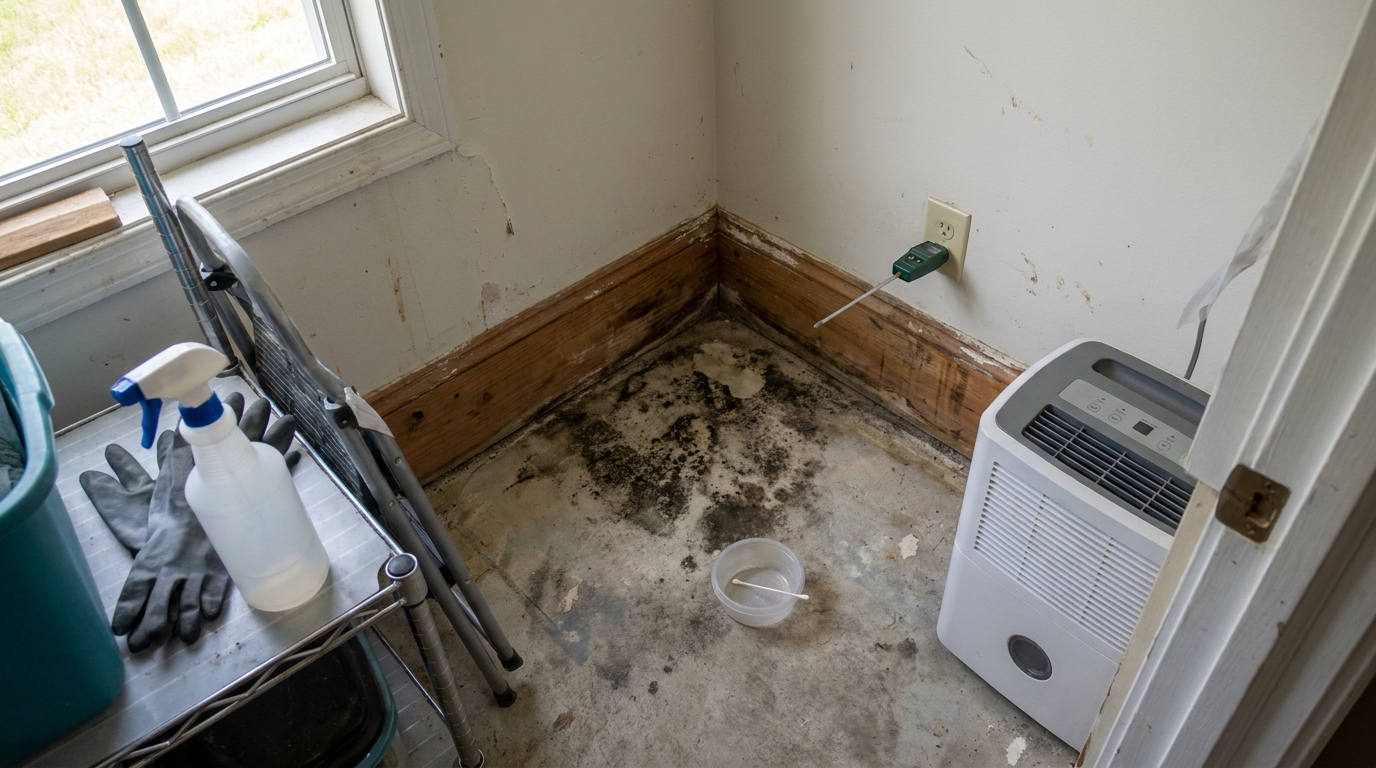
Yes. Mold grows in dry climates when localized moisture sources create humid microenvironments, regardless of outdoor humidity levels.
The question “does mold grow in dry climates” catches many Southwest homeowners off guard. Phoenix, Tucson, Las Vegas, Albuquerque: these cities average outdoor relative humidity well below the levels mold needs to thrive. Yet mold doesn’t care about the weather report. It cares about the conditions on the surface where it lands.
According to the EPA, “There are many types of mold, and none of them will grow without water or moisture.” The operative word is “water or moisture,” not “humid climate.” A leaking pipe under a Phoenix kitchen sink creates the same conditions as a leaking pipe in Miami. The mold doesn’t know it’s in the desert.
Research confirms that certain mold species are actually well-adapted to drier, hotter environments. Aspergillus species, including Aspergillus flavus, show higher prevalence in soils from hotter, drier regions compared to more humid areas. According to a study published in the National Institutes of Health, these species are “better adapted to high temperatures and drier conditions.” Desert soil is full of mold spores waiting for the right indoor conditions to colonize.
Why Is the “Dry Climate” Assumption Misleading?
Outdoor humidity doesn’t determine indoor mold risk. Homes create their own microclimates through plumbing, HVAC systems, and human activity.
What “Dry Climate” Actually Measures (Outdoor Relative Humidity)
When someone says they live in a “dry climate,” they’re describing outdoor ambient relative humidity. A weather station in Scottsdale might read 15% RH on a June afternoon. That number tells you almost nothing about the humidity inside a bathroom cabinet, behind a shower wall, or on an evaporative cooler pad. According to the EPA, humidity or dampness in the air alone can supply enough moisture for mold growth, and the agency recommends keeping indoor RH below 60%, ideally between 30% and 50%.
How Homes Create Isolated Moisture Zones
Every home generates moisture. Showers, cooking, dishwashers, laundry, and even breathing add water vapor to indoor air. In arid climates, evaporative coolers push indoor RH even higher. A 2022 global review of mold-affected housing found that 10 to 50% of dwellings in North America, Europe, Australia, India, and Japan have indoor dampness and mold problems. The same review confirmed that mold-affected housing is reported “across all housing types and climate zones,” including arid regions. [Source: NIH]
The Gap Between Ambient and Localized Humidity
A whole-house hygrometer might read 35% RH, but the surface behind a slow-dripping supply line under the bathroom vanity could easily exceed 80%. According to research published in the NIH, indoor mold risk increases at RH above 60 to 70%, particularly in bedrooms and on walls. Even short periods of elevated humidity after showers, cooking, or evaporative cooling create windows of opportunity for mold growth.
What Humidity Level Does Mold Need to Grow?
Mold requires relative humidity above 60% at the surface level. This threshold can occur in isolated areas even when whole-house humidity reads 30 to 40%.
The numbers from multiple expert sources converge on a clear range:
| Relative Humidity Level | Mold Growth Risk | Source |
|---|---|---|
| Below 40% RH | Spores lose viability within days; growth highly unlikely | NIH (2022 study) |
| 40–60% RH | Low risk; EPA’s ideal indoor target is 30–50% | EPA |
| 60–70% RH | Growth becomes possible, especially on porous materials | NIH (2022 review) |
| Above 70% RH | Optimal conditions; aggressive colonization on organic surfaces | NIH (2022 review) |
A 2022 experimental study on Cladosporium cladosporioides, a common indoor mold, demonstrated that at 40% RH, spore viability dropped to 47% after just one day and reached complete inactivation after five days, with no resumption of growth even after rewetting. At 60% RH, viability declined to approximately 80% after three days and reached full inactivation after seven days. [Source: NIH]
The takeaway: truly dry indoor surfaces kill mold spores over time. But a single moisture source, a dripping faucet, condensation on a cold pipe, a wet cooler pad, can push a localized area well above 60% RH even when the rest of the house is bone dry.
Where Does Mold Grow in Desert and Arid-Climate Homes?
Common sites include evaporative cooler pads, bathroom exhaust ducts, under-sink cabinets, window condensation zones, and areas affected by monsoon moisture intrusion.
Evaporative Cooler Systems (Swamp Coolers)
Swamp coolers are the single most significant mold vector in many desert homes. We cover them in detail below, but the short version: they create near-100% RH microenvironments inside the unit and distribute spores directly into living spaces. According to Immunolytics, “Swamp coolers will grow mold if not properly maintained. Pads and reservoir will grow mold if not properly and continuously maintained.”
Plumbing Fixtures and Leak-Prone Areas
Under-sink cabinets, supply line connections to toilets, water heater closets, and washing machine hookups are high-risk zones in every climate. In desert homes, these leaks often go unnoticed longer because homeowners aren’t looking for moisture problems. According to the EPA, mold can start growing on damp materials within 24 to 48 hours if they are not dried.
HVAC Condensation and Ductwork
Homes that use refrigerated air conditioning produce condensation on evaporator coils and in drain pans. If drain lines clog or pans overflow, moisture accumulates in ductwork or on adjacent drywall. In Las Vegas and similar markets where homes switch between evaporative and refrigerated cooling seasonally, the transition period can leave residual moisture in systems.
Seasonal Moisture Events (Monsoons, Winter Condensation)
The North American monsoon season, typically July through September in Arizona and New Mexico, can spike outdoor humidity dramatically. When that humid air enters a home through open windows or other pathways, it contacts cool interior surfaces and condenses. Winter brings a different risk: warm indoor air hitting cold single-pane windows creates condensation that pools on sills and feeds mold growth.
How Do Evaporative Coolers Contribute to Mold Growth?
Evaporative coolers continuously introduce moisture into air streams and create standing water in pads, providing ideal conditions for mold colonization and spore distribution.
Evaporative coolers work by pulling hot, dry outdoor air through water-saturated pads. This process cools the air but also humidifies it. The interior of a swamp cooler is dark, warm, and wet, which one indoor air quality source describes as an “incubator for mold.” [Source: Immunolytics]
The pads themselves are typically made of cellulose or aspen wood shavings, both organic materials that mold readily colonizes. A microbial analysis of evaporative air coolers found Penicillium, Aspergillus, and Cladosporium as the most commonly observed mold genera in cooler pads and sump water. [Source: NIH]
Research from the Great Basin Desert found a greater than 100-fold increase in Aspergillus tamarii in homes with evaporative coolers compared to ambient outdoor air. The same fungal species present in cooler water and pads was detected in indoor air samples. [Source: NIH]
Multiple studies in Utah and Colorado showed that homes with evaporative coolers had indoor RH at least 10 percentage points higher than homes with refrigerated air conditioning. [Source: Immunolytics] That 10% bump can push a home from a safe 45% RH into the 55 to 65% range where mold risk begins.
What Role Does Temperature Variation Play in Dry-Climate Mold?
Extreme day-night temperature swings in deserts cause condensation on cool surfaces when warm, moisture-laden indoor air contacts them, creating transient high-humidity zones.
A summer day in Phoenix might reach 115°F, then drop to 85°F overnight. In high-desert areas like Flagstaff or Santa Fe, swings of 30 to 40 degrees are routine. When warm indoor air hits surfaces that have cooled rapidly, such as exterior walls, windows, or concrete slabs, moisture condenses. That condensation creates a surface-level humidity environment far exceeding the room’s ambient RH.
The 2022 experimental study on mold survival concluded that “relative humidity during dry periods is more important than temperature for mold survival in indoor environments.” [Source: NIH] Temperature swings matter because they generate the moisture that raises local RH above the critical 60% threshold, not because temperature alone drives growth.
Do Certain Mold Species Prefer Dry Climates?
Xerophilic molds like Aspergillus and Penicillium species tolerate lower water activity and colonize dry-climate homes more readily than moisture-dependent species like Stachybotrys.
Not all mold species need the same amount of moisture. Xerophilic (“dry-loving”) species have evolved to colonize environments with less available water. According to research published in the NIH, Aspergillus flavus shows higher occurrence in soils from hotter, drier conditions, and Aspergillus species generally demonstrate higher prevalence in arid environments.
This matters for desert homeowners because the mold species most likely to appear in their homes, Aspergillus and Penicillium, are the same species found colonizing evaporative cooler pads and the same species associated with respiratory health concerns. Stachybotrys chartarum (often called “black mold”) requires sustained, heavy moisture and is less common in arid-climate homes unless there’s been significant water damage.
How Does Monsoon Season Affect Mold Risk in the Southwest?
Monsoon humidity spikes can raise indoor moisture levels dramatically within hours, triggering rapid mold growth on previously dormant spores in vulnerable areas.
The North American monsoon typically brings afternoon and evening thunderstorms to Arizona, New Mexico, and parts of Nevada, Utah, and Colorado from July through September. Outdoor humidity can jump from 15% to 60% or higher during storm events. When homeowners open windows to enjoy cooler monsoon air, or when evaporative coolers pull that humid air through wet pads, indoor RH can climb quickly past the 60% threshold.
According to the NIH housing review, mold risk becomes pronounced at RH levels of 80% or above. Monsoon-driven roof leaks, flash-flood water intrusion through foundations, and even humidity absorption by adobe or stucco walls compound the problem. Dormant spores that survived months of dry conditions can germinate within 24 to 48 hours once moisture arrives.
What Are the Signs of Mold in a Dry-Climate Home?
Musty odors near coolers or bathrooms, visible growth on cooler pads, discoloration around plumbing fixtures, and respiratory symptoms that improve when away from home.
-
Musty or earthy smell near the evaporative cooler, in bathrooms, or under sinks. This is often the first sign, appearing before visible growth.
-
Visible discoloration on cooler pads, around shower caulking, on window sills, or behind furniture placed against exterior walls.
-
Dark spots on drywall or ceiling near plumbing runs, especially in closets or utility rooms.
-
Respiratory symptoms such as sneezing, congestion, or eye irritation that improve when you leave the home. Anyone experiencing persistent symptoms should consult a physician, as these can overlap with allergies and other conditions.
-
Peeling or bubbling paint on walls adjacent to bathrooms or near cooler ducts, indicating moisture behind the surface.
For more on identifying growth, see our guide on how to identify mold in different areas of the home.
How Do You Prevent Mold in Arid Climates?
Maintain evaporative cooler pads, fix plumbing leaks immediately, use bathroom exhaust fans, monitor monsoon-season humidity, and address condensation on windows and pipes.
Evaporative Cooler Maintenance Schedule
-
Replace cellulose pads at the start of each cooling season, or more frequently if visible discoloration or odor develops.
-
Drain and clean the water reservoir at least monthly during active use.
-
Run the cooler’s pump for several minutes before engaging the fan to flush stagnant water.
-
At season’s end, drain all water, remove pads, and leave the unit open to dry completely before winterizing.
Plumbing Inspection Priorities
-
Check under every sink monthly for drips, condensation, or musty odors.
-
Inspect water heater drain pans and supply lines, especially in interior closets with limited ventilation.
-
Replace flexible supply lines (to toilets, faucets, washing machines) every five to seven years, or per manufacturer recommendation.
Ventilation Strategies for Desert Homes
-
Run bathroom exhaust fans during and for at least 20 minutes after showers.
-
Use kitchen range hoods that vent to the exterior, not recirculating models.
-
When using evaporative coolers, crack a window on the opposite side of the house to allow humid air to exit rather than accumulate.
Seasonal Moisture Management
-
During monsoon season, monitor indoor humidity with a hygrometer. If readings exceed 60%, switch from evaporative cooling to refrigerated air conditioning or use a portable dehumidifier.
-
Inspect the roof and foundation after heavy monsoon storms for water intrusion.
-
In winter, address window condensation by improving insulation, using storm windows, or running a dehumidifier in problem rooms.
When Should You Test for Mold in a Dry-Climate Home?
Test when you smell mustiness near moisture sources, see visible growth, experience unexplained respiratory symptoms, or after water intrusion events like roof leaks or monsoon flooding.
Many desert homeowners delay testing because they assume their climate protects them. It doesn’t. Specific triggers that warrant testing include:
-
A persistent musty smell near the evaporative cooler, even after pad replacement.
-
Visible dark spots on walls, ceilings, or inside cabinets near plumbing.
-
Respiratory symptoms (congestion, wheezing, irritated eyes) that improve when you spend time away from home. A physician can help determine whether mold exposure is a factor.
-
Any water intrusion event: monsoon roof leak, flash-flood seepage, burst supply line, or water heater failure.
-
Buying or selling a desert home, particularly one with an evaporative cooler system.
A certified industrial hygienist can perform professional air and surface sampling to identify species and concentration levels. For initial screening, a reliable home test kit can confirm whether elevated spore counts are present in specific rooms.
If you’ve discovered mold in your desert home or want to confirm whether that musty smell indicates growth, start with a reliable test kit to identify the species and concentration levels in your specific environment.
Frequently Asked Questions
Here are answers to the most common questions homeowners in dry climates ask about mold growth, prevention, and testing.
Can mold grow in a house with 30% humidity?
Whole-house humidity of 30% generally prevents mold growth on most surfaces. However, localized areas like under a leaking sink or inside an evaporative cooler can have much higher humidity than the room average, allowing mold to grow even when the rest of the home is dry.
Is mold common in Arizona homes?
Yes. Multiple remediation and inspection professionals report that mold problems in Arizona homes are more common than most homeowners realize. Evaporative coolers, monsoon moisture, and plumbing leaks create the same indoor conditions that support mold in any climate. According to a 2022 global housing review, mold-affected housing is found across all climate zones.
Do swamp coolers cause mold?
Swamp coolers don’t automatically cause mold, but they create conditions that strongly favor it. Their water-saturated cellulose pads, dark interiors, and recirculated water provide ideal colonization sites. Research found Penicillium, Aspergillus, and Cladosporium as the most common mold genera in cooler pads and sump water. [Source: NIH]
What type of mold grows in desert homes?
Aspergillus and Penicillium species are the most commonly found molds in arid-climate homes. These xerophilic species tolerate lower water activity than moisture-dependent species like Stachybotrys. A certified industrial hygienist or mold test kit can identify the specific species present.
Does monsoon season increase indoor mold risk?
Significantly. Monsoon storms can raise outdoor humidity from below 20% to above 60% within hours. When that humid air enters homes through open windows or evaporative coolers, indoor RH can climb past the 60% threshold where mold growth begins. Roof leaks and foundation seepage during heavy storms add direct water intrusion.
How quickly does mold grow after a leak in a dry climate?
Mold can begin growing on damp materials within 24 to 48 hours regardless of outdoor climate, according to the EPA. The dry outdoor air won’t dry a hidden leak behind a wall or under a cabinet. Any water intrusion should be addressed and dried within that window.
Should I switch from a swamp cooler to AC to prevent mold?
Refrigerated air conditioning removes moisture from indoor air rather than adding it, which reduces overall mold risk. However, AC systems have their own moisture concerns, including condensation on coils and in drain pans. The choice depends on budget, energy costs, and willingness to maintain either system properly. Well-maintained evaporative coolers with regular pad replacement and reservoir cleaning can operate with manageable mold risk.
What indoor humidity level should I maintain in a desert home?
The EPA recommends keeping indoor relative humidity between 30% and 50%, with 60% as the upper limit before mold risk increases substantially. [Source: EPA] A simple hygrometer placed near moisture sources like the cooler vent or bathroom can help you monitor conditions in the areas that matter most.